MICCAI 2026 Workshop

Toward Reliable AI in Hematology: Robust Red Blood Cell and Parasitemia Analysis

A MICCAI 2026 workshop on robust, fair, and clinically reliable AI for blood smear analysis

Red blood cell analysis and parasitemia detection are important tasks in clinical hematology and computational pathology. This workshop focuses on robust and trustworthy AI methods that can generalize across real-world domain shifts, support standardized evaluation, and accelerate clinically meaningful deployment.

Held in conjunction with MICCAI 2026. Exact workshop date and venue details are to be announced.

MICCAI 2026 context Details under development

About

Building dependable hematology AI

AI methods for red blood cell analysis and blood-borne parasite detection have advanced quickly, yet reliability remains a major

Topics of Interest

A focused discussion space for rigorous methods, meaningful evaluation, and translational thinking across hematology image

  • Dr. Carsten Marr — carsten.marr@helmholtz-munich.de
  • Dr. Ario Sadafi — ario.sadafi@tum.de
  • Davide Antonio Mura — davide.mura@unica.it
  • Dr. Cecilia Di Ruberto — cecilia.dir@unica.it
  • analysis.

    Robustness and Domain Shift

    • Robustness under domain shift
    • Staining, microscope, scanner, and illumination variability
    • Lab and site variation

    Reliable Predictions

    • Generalization and uncertainty estimation
    • Calibration and selective prediction
    • Bias measurement and mitigation

    Learning Paradigms

    • Self-supervised learning for cytology
    • Foundation models for blood image analysis
    • Promptable and interactive segmentation

    Phenotyping and Morphology

    • RBC morphology analysis
    • Anemia-related phenotypes
    • Dysmorphisms and hemoglobinopathies
    • Sickle cell analysis

    Parasitemia Analysis

    • Parasitemia detection
    • Malaria and other blood-borne parasites

    Benchmarks and Translation

    • Benchmarks and reproducibility
    • Standardized evaluation protocols
    • Translational and workflow considerations

    Why This Workshop

    Why this conversation matters now

    Reliable AI in the real world

    Performance on curated datasets is not enough. The field needs methods that remain dependable across clinical settings and deployment conditions.

    Robust hematology microscopy

    Blood smear analysis is highly sensitive to acquisition and preparation variability, making robustness and calibration central technical challenges.

    Clinical translation

    Better tools can support diagnosis, triage, and laboratory workflow only when they align with clinical needs and practical constraints.

    Reproducibility and benchmarks

    Shared evaluation protocols and rigorous benchmarks are key to comparing methods fairly and moving the field forward credibly.

    Program

    Preliminary Program

    A focused 120-minute format designed to balance invited context, selected research talks, and discussion.

    Total duration: 120 minutes

    5 min

    Welcome and scope

    Opening remarks and workshop framing.

    45 min

    Invited talk

    Featured invited presentation.

    5 min

    Q&A

    Audience discussion following the invited talk.

    3 x 10 min

    Top-3 oral presentations

    Selected peer-reviewed contributions presented orally.

    Up to 6 x 1 min

    Poster spotlight pitches

    Short previews introducing poster contributions.

    25 min

    Poster discussion / networking

    Interactive exchange around posters and emerging ideas.

    4 min

    Closing remarks and next steps

    Wrap-up, outlook, and community follow-up.

    Speakers

    Invited Speaker TBD

    The invited speaker is still being confirmed and will be announced once finalized.

    Only one 45-minute invited talk will be scheduled in the quarter-day format. Final invited speaker selection is subject to availability.

    TBD

    Speaker details will be published here as soon as the invitation process is completed.

    Call for Papers

    Call for Papers

    We welcome submissions on robust RBC morphology analysis, parasitemia detection, foundation models, self-supervised learning, fairness and generalization, reproducibility and benchmark design, and clinically relevant hematology AI.

    Submitted papers will undergo peer review, with selected contributions featured as oral presentations and posters.

    Submission will be handled via EasyChair. The submission link and full instructions will be shared once available.

    Detailed submission instructions and important dates remain to be announced. Please stay tuned for updates after April 10, 2026.

    Organizers

    Organizing Team

    The workshop is coordinated by an interdisciplinary team spanning academic research, translational AI, and biomedical image analysis.

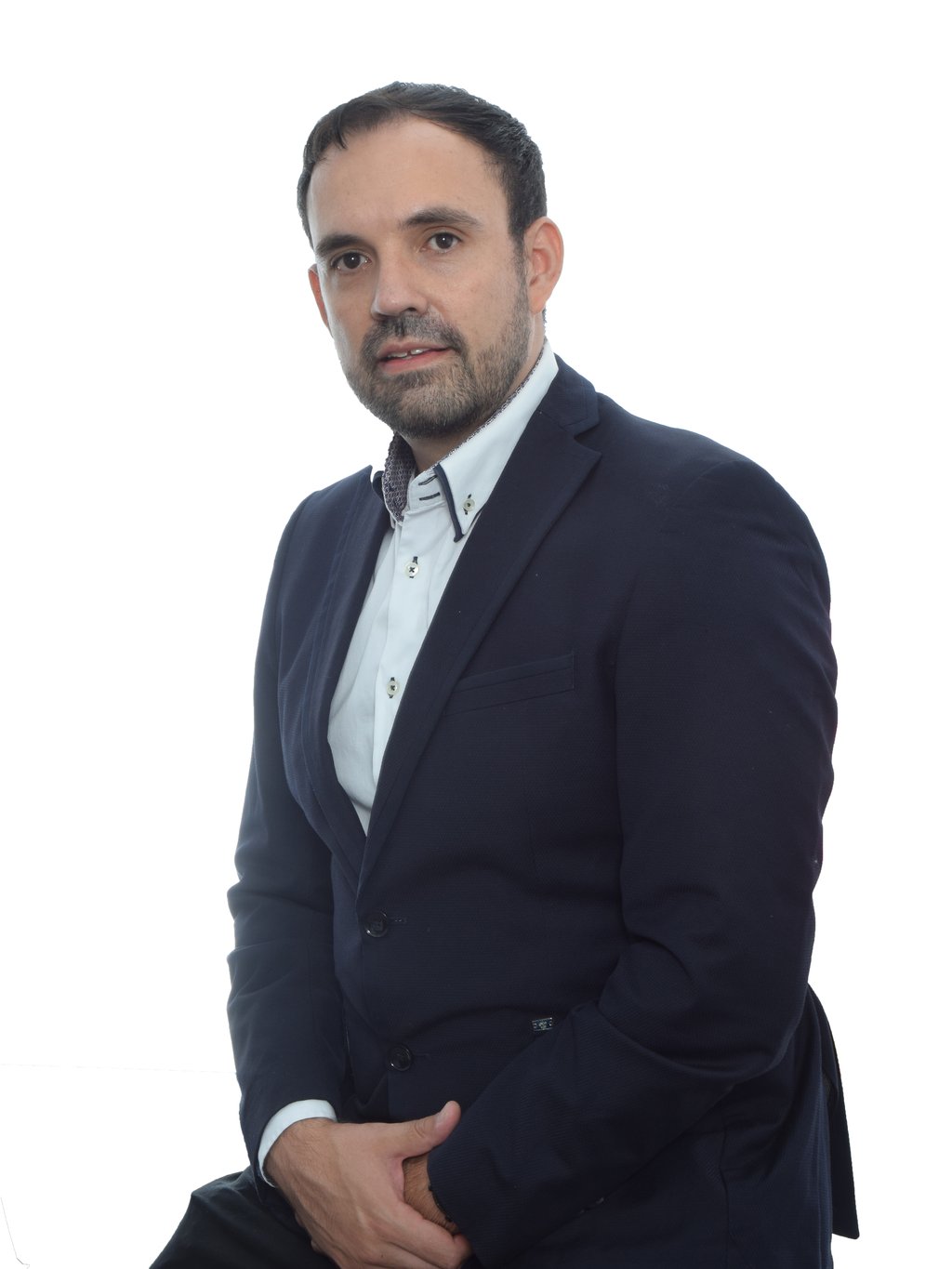
    Placeholder portrait for Dr. Andrea Loddo

    General Chair

    Dr. Andrea Loddo

    University of Cagliari

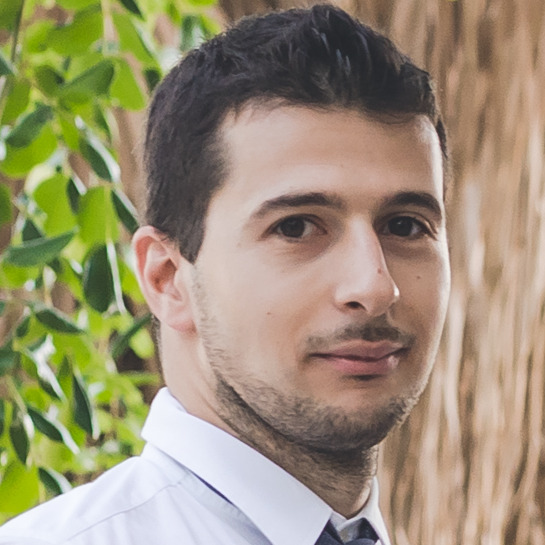
    Placeholder portrait for Luca Zedda

    Program Chair · Webmaster

    Luca Zedda

    University of Cagliari

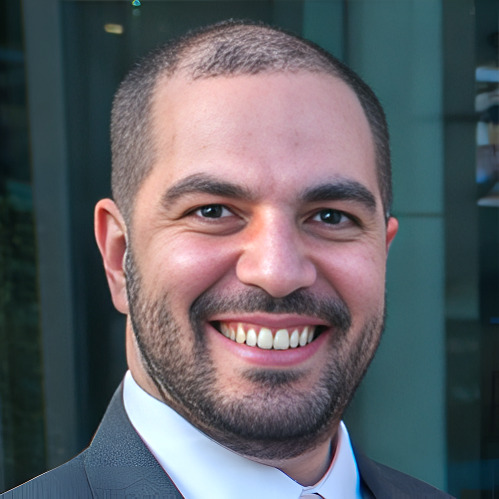
    Placeholder portrait for Dr. Ahmed Elnady Elsafty

    Clinical and Translational Advisor

    Dr. Ahmed Elnady Elsafty

    PathOlOgics, LLC

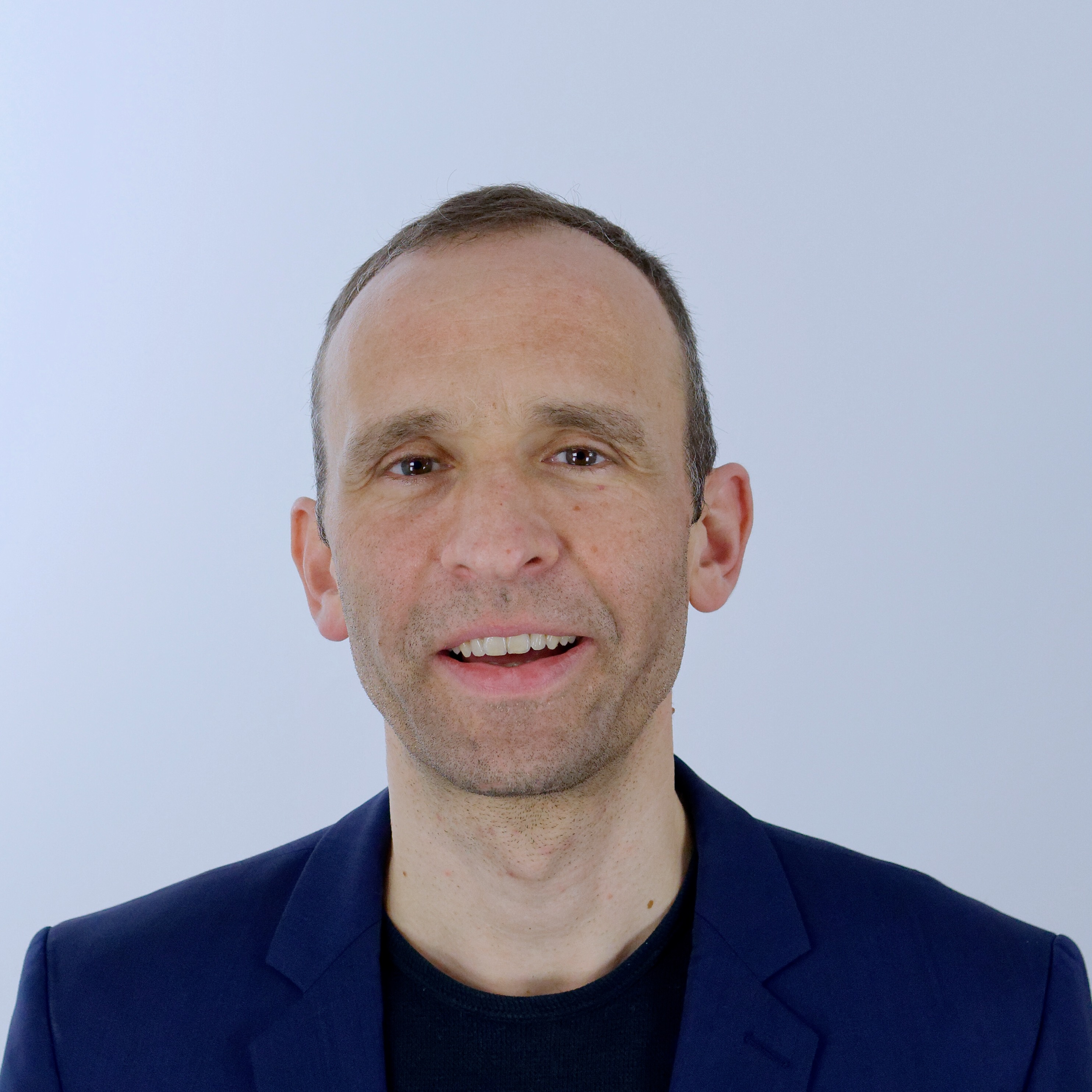
    Placeholder portrait for Dr. Carsten Marr

    Senior Advisory Chair

    Dr. Carsten Marr

    Helmholtz Munich

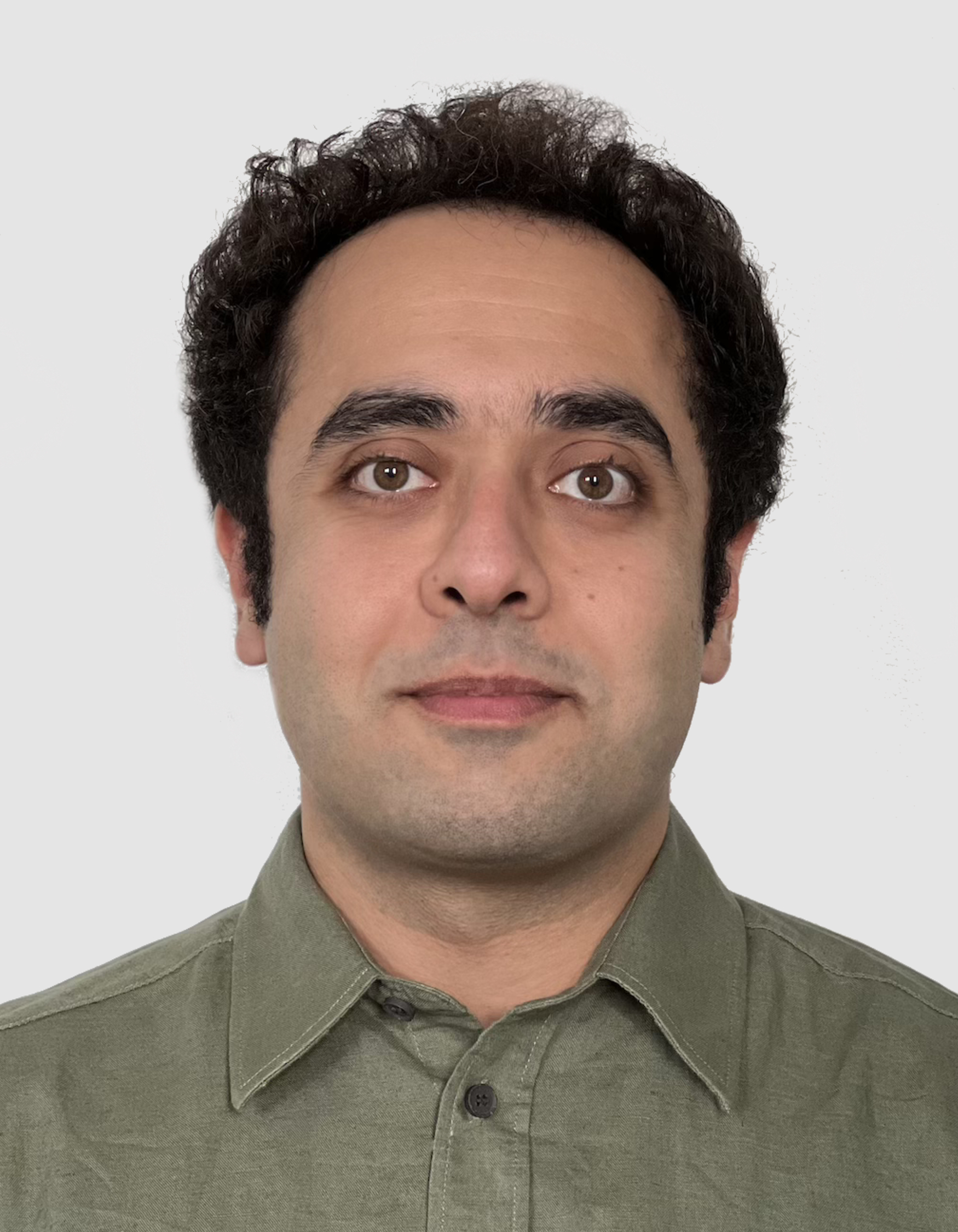
    Placeholder portrait for Dr. Ario Sadafi

    Program Chair

    Dr. Ario Sadafi

    Helmholtz Munich

    Placeholder portrait for Davide Antonio Mura

    Webmaster

    Davide Antonio Mura

    University of Cagliari

    Placeholder portrait for Dr. Cecilia Di Ruberto

    Keynote and Outreach Chair

    Dr. Cecilia Di Ruberto

    University of Cagliari